Retro Polka Dot Seamless Pattern: A Timeless Choice for Creative Projects
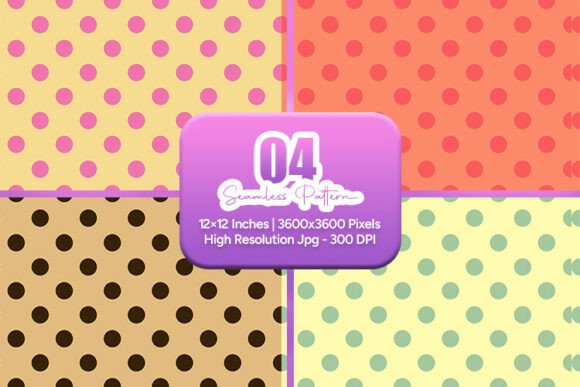
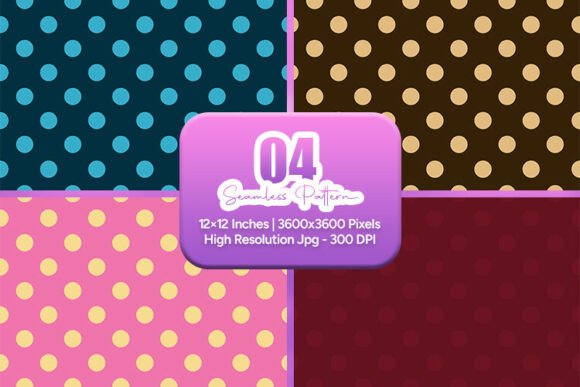
The Retro Polka Dot Seamless Pattern is a versatile design element that blends nostalgia with modern functionality. Featuring bold teal, warm brown, soft pink, and deep burgundy color combinations, this pattern offers a classic dotted aesthetic that remains relevant across various creative disciplines. Its seamless nature allows for continuous repetition without visible seams, making it ideal for a wide range of applications.
What Makes the Retro Polka Dot Seamless Pattern Unique?
The Retro Polka Dot Seamless Pattern stands out due to its balance of simplicity and visual impact. The use of high-contrast colors ensures that the dots remain distinct even when repeated across large areas. This makes it particularly effective for fabric printing, where clarity and consistency are essential. The pattern’s design also allows for flexibility in scaling, ensuring that it maintains its integrity at different sizes.
Compared to other repeating patterns, the Retro Polka Dot Seamless Pattern offers a more structured approach. While abstract or organic patterns may provide a more fluid look, the polka dot style delivers a sense of order and rhythm. This can be especially appealing for projects that require a cohesive and recognizable visual language.
Comparing Options: Retro Polka Dot vs. Other Patterns
When considering patterns for design projects, the Retro Polka Dot Seamless Pattern offers several advantages over alternatives. For instance, solid color schemes may lack visual interest, while complex geometric patterns can be overwhelming. The polka dot style strikes a middle ground, providing enough detail to engage the eye without complicating the overall composition.
Other options, such as floral or paisley designs, often carry a more intricate feel. These patterns may be better suited for specific themes or eras, but they can also limit versatility. In contrast, the Retro Polka Dot Seamless Pattern works well in both traditional and contemporary settings, offering a broader range of application possibilities.
For digital paper or surface pattern design, the Retro Polka Dot Seamless Pattern provides a clean and professional look. It is particularly effective when paired with minimalist layouts, where the pattern serves as a subtle background rather than a dominant feature.
Strengths and Best-Fit Situations
The Retro Polka Dot Seamless Pattern excels in situations where a clear, repeatable design is needed. Its high-resolution format (3600 x 3600 pixels at 300 DPI) ensures that it can be used in both digital and print formats without loss of quality. This makes it suitable for a variety of uses, including wrapping paper, scrapbooking, and sublimation projects.
For designers working on branding or packaging, the pattern can serve as a consistent element that reinforces brand identity. Its bold color choices make it stand out, while the seamless nature ensures that it can be applied across multiple surfaces without disruption.
Crafters and hobbyists will appreciate the ease of use associated with the Retro Polka Dot Seamless Pattern. Whether creating custom stationery, home décor, or textile projects, the pattern offers a ready-made solution that saves time and effort. Its availability as a JPG file also makes it accessible for users who may not have advanced design software.
Tradeoffs and Limitations
While the Retro Polka Dot Seamless Pattern has many strengths, it may not be the best choice for every project. Its structured design can sometimes feel too rigid for more experimental or avant-garde work. In such cases, alternative patterns that offer more fluidity or abstraction may be more appropriate.
Additionally, the pattern’s reliance on color contrasts means that it may not work well in monochromatic or low-contrast environments. Designers should consider how the pattern interacts with other elements in their composition to ensure that it enhances, rather than detracts from, the overall visual appeal.
Users who prefer more customization may find the pre-designed nature of the Retro Polka Dot Seamless Pattern limiting. While it offers a reliable base, those looking for unique or highly personalized designs may need to modify the pattern or seek out alternative resources.
When to Choose the Retro Polka Dot Seamless Pattern
The Retro Polka Dot Seamless Pattern is an excellent choice for projects that benefit from a classic yet modern aesthetic. It is particularly well-suited for those who want to add a touch of vintage flair without compromising on clarity or professionalism. For example, a wedding invitation that incorporates the pattern can evoke a sense of nostalgia while maintaining a polished appearance.
It is also a practical option for commercial applications where consistency and scalability are important. Businesses looking to create branded merchandise, such as t-shirts or tote bags, can rely on the pattern to maintain a cohesive look across different products and sizes.
For creatives working on limited budgets, the Retro Polka Dot Seamless Pattern offers a cost-effective solution. Instead of commissioning a custom design, users can access a high-quality pattern that meets their needs without the additional expense.
Alternatives and Complementary Resources
Designers exploring alternatives to the Retro Polka Dot Seamless Pattern may consider other styles, such as stripes, checks, or waves. Each of these patterns offers a different visual effect and can be more suitable for specific applications. For instance, stripes may be better for creating a sense of movement, while checks can add a more formal or structured look.
For those interested in more abstract or artistic designs, free or paid stock pattern libraries may provide a wider range of options. These resources often include a mix of traditional and contemporary styles, allowing users to experiment with different aesthetics.
Ultimately, the choice between the Retro Polka Dot Seamless Pattern and other options depends on the specific needs of the project. By understanding the strengths and limitations of each design, users can make informed decisions that align with their creative goals.