Button Thread Pattern: A Unique Approach to Digital Design
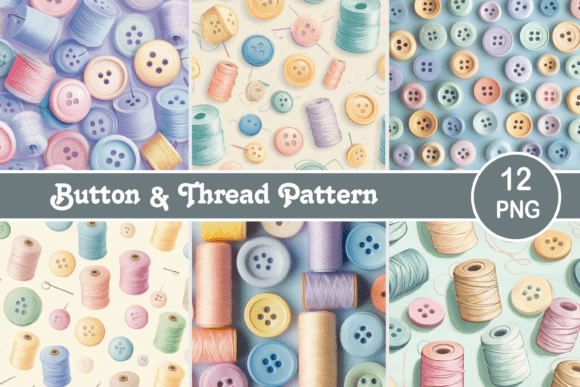
The Button Thread Pattern is a distinctive design concept that blends functionality with aesthetic appeal. It is often used in digital media, particularly in the creation of high-resolution images and graphic elements. This pattern is characterized by its intricate stitching-like appearance, which mimics the look of button threads on fabric. The result is a visually engaging design that can add texture and depth to any digital project.
One of the key features of the Button Thread Pattern is its versatility. It can be applied to a wide range of design needs, from website backgrounds to social media graphics. The pattern’s structure allows it to work well in both abstract and realistic contexts, making it a flexible choice for designers looking to enhance their visual content.
What Makes Button Thread Pattern Distinct?
Unlike traditional background designs, the Button Thread Pattern offers a unique visual language. It is not just a simple repeating motif but a complex interplay of lines and shapes that create a sense of movement and detail. This makes it stand out from other patterns such as solid colors, geometric shapes, or nature-based motifs.
The pattern’s design is often inspired by textile arts, where the use of thread and stitch plays a central role. This connection to physical craftsmanship gives the Button Thread Pattern a tactile quality, even when viewed on a digital screen. It can evoke a sense of authenticity and handcrafted beauty, which is increasingly valued in modern design trends.
Another distinguishing factor is the level of detail and precision required to produce the Button Thread Pattern. High-quality implementations ensure that each thread is clearly defined and that the overall composition remains cohesive. This attention to detail is what sets it apart from simpler or more generic patterns.
Button Thread Pattern vs. Other Digital Background Options
When comparing the Button Thread Pattern to other digital background options, several factors come into play. For instance, solid color backgrounds are straightforward and easy to implement but lack the visual interest that the Button Thread Pattern provides. Similarly, geometric patterns offer a structured look but may not convey the same level of intricacy or artistic flair.
Nature-based patterns, such as those featuring landscapes or floral designs, can be visually rich but may not suit all design aesthetics. In contrast, the Button Thread Pattern offers a more abstract and stylized approach, which can be ideal for projects that require a modern or minimalist feel.
For designers who prioritize uniqueness and detail, the Button Thread Pattern can be an excellent choice. However, it may not be the best fit for every project. If simplicity or clarity is the primary goal, alternative options may be more appropriate.
Strengths and Tradeoffs of Using Button Thread Pattern
The Button Thread Pattern has several strengths that make it a compelling option for digital design. Its intricate design can add visual interest and sophistication to a project, making it suitable for professional or creative environments. Additionally, the pattern’s structure allows it to work well with various color schemes, offering flexibility in terms of customization.
Another advantage is its scalability. High-resolution implementations, such as those in PNG format with dimensions of 12” x 12” at 3600 px x 3600 px, ensure that the pattern remains sharp and clear at any size. This makes it ideal for use across different platforms, from websites to print materials.
However, there are also tradeoffs to consider. The complexity of the Button Thread Pattern can sometimes make it less effective in certain contexts. For example, if the background is too busy, it may distract from the main content of a webpage or document. In such cases, simpler patterns or solid colors might be more suitable.
Additionally, the file size of high-quality Button Thread Pattern designs—typically around 10-20 MB per design—can be a consideration for users with limited storage or bandwidth. While this ensures optimal quality, it may not be the most efficient choice for all users.
Best Fit Situations for Button Thread Pattern
The Button Thread Pattern is particularly well-suited for projects that benefit from a touch of elegance and refinement. It works well in creative industries such as fashion, art, and design, where visual appeal is a key factor. For example, a fashion blog might use the pattern as a background to enhance the aesthetic of its content without overwhelming the reader.
It is also a good choice for businesses looking to create a distinctive brand identity. By incorporating the Button Thread Pattern into their digital assets, companies can differentiate themselves from competitors and establish a unique visual presence. This is especially true for brands that emphasize craftsmanship, quality, or artisanal values.
For individuals or small businesses with limited design resources, the Button Thread Pattern offers a ready-made solution that can elevate their online presence. With fast and easy digital downloads, users can access high-quality designs quickly and integrate them into their projects with minimal effort.
When to Consider Alternatives to Button Thread Pattern
While the Button Thread Pattern has many advantages, there are situations where alternative options may be more appropriate. For instance, if the primary goal is to create a clean and uncluttered design, a solid color or a simple geometric pattern might be a better choice. These alternatives can provide a more focused and professional look, especially in business or corporate settings.
Similarly, if the design needs to be highly adaptable or customizable, a more flexible option may be preferable. Some patterns allow for greater variation in color, scale, or layout, which can be beneficial for dynamic or multi-platform projects.
Readers should also consider the target audience when choosing a background design. What works well for a creative portfolio may not be suitable for a financial institution or a government website. Understanding the preferences and expectations of the intended audience is essential in making an informed decision.
Practical Examples and Use Cases
One practical example of the Button Thread Pattern in action is its use in e-commerce websites. A clothing retailer might incorporate the pattern into its product pages to create a sense of luxury and craftsmanship. This can help reinforce the brand’s image and attract customers who value quality and design.
In the realm of social media, the Button Thread Pattern can be used as a profile picture or cover photo. It adds a unique and memorable element to a user’s profile, making it stand out in a crowded digital space. This is particularly useful for influencers, artists, or content creators looking to build a strong online presence.
Another use case is in digital marketing materials, such as email newsletters or promotional banners. The pattern can be used to draw attention to key messages or calls to action, while maintaining a visually appealing design. This helps to engage readers and encourage interaction with the content.
Conclusion: Making an Informed Choice
The Button Thread Pattern offers a distinctive and high-quality option for digital design. Its intricate design, versatility, and scalability make it a valuable resource for a wide range of applications. However, it is important to evaluate whether it aligns with the specific needs and goals of a project.
By considering factors such as visual complexity, file size, and audience preferences, readers can determine whether the Button Thread Pattern is the right choice for their needs. In cases where simplicity or adaptability is a priority, alternative options may be more suitable. Ultimately, the decision should be based on a careful assessment of the project’s requirements and the desired outcome.